In the first decade of the 20th century, the American musician and music teacher Gregg A. Frelinger[1] had a groundbreaking idea that would go on to decisively shape the history of silent film accompaniment. Likely active in the theater and cinema business himself[2], he realized that music tailored to the content of a silent film would impress audiences far more—and boost box-office receipts[3]—than the prevailing practice of simply "tinkering" on the piano at random (ad libitum).
Consequently, in 1909[4], Frelinger published what was most likely the very first photoplay music library or "Kinothek" (German):
Motion Picture Piano Music: Descriptive Music To Fit the Action, Character or Scene of Moving Pictures.
Selected, Arranged, Composed and Published by Gregg A. Frelinger,
Lafayette, Ind.
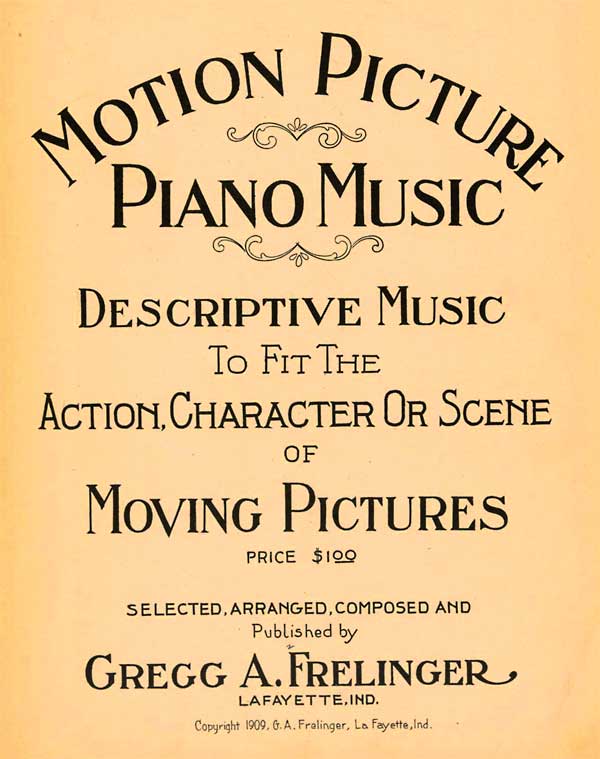
In January 1910, The Film Index reports:
MOTION PICTURE MUSIC.
A very satisfactory attempt to fill a 'long felt want' on the part of the pianist of the motion picture theatre has been made by Mr. Gregg A. Frelinger, at present pianist of the Arc Theatre, at Lafayette, Ind. Mr. Frelinger's work consists of a volume of over 100 numbers of descriptive music especially selected and can be adapted to any scene shown in the motion picture world. The numbers range from the comical to the sad and changes in the rendition are unnoticeable, harmony prevailing throughout. Characters and scenes alike are represented in the volume, which is considered by critics to contain the best music ever offered to the motion picture realm. Some of the characters and scenes described in notes and bars by the great composer are an aged colored man, aged persons, antique dance, powwows, religious scenes, reminiscence, repose, sneaky music, spectral music, soldiers in camp, weird pantomime, drum and fife imitation and many others.
By his twenty years' experience in composition and theatrical work, Professor Frelinger is known to be one of the greatest descriptive pianists of the day, and it is predicted that he will meet with unlimited success in the sale of the new creation. The work has been highly endorsed by pianists of picture theatres and is now being used by several hundred. For particulars see Mr. Frelinger's advertisement in another column.
In fact, Frelinger's anthology comprised exactly 50[5] predominantly very shallow, easy-to-play ‘compositions’ (often merely a 4- or 8-bar theme in song form), which he made accessible via an enormously extensive index (exactly 150 index entries). Here, first of all, is the complete index:
Editorial Note: The following index records the historical titles of the Frelinger Motion Picture Piano Music Collection (1909) using the original wording. As documents of their time, some of these entries reflect the social prejudices, stereotypical portrayals, and colonial or discriminatory language prevalent in that era. This includes terms that are considered racist, ethnically offensive, sexist, or otherwise derogatory from a contemporary perspective. These terms have been retained in the index solely for the purposes of scholarly documentation, and historical transparency. The editors expressly disassociate themselves from any discriminatory content or intent associated with these historical terms.
A. Frelinger's Index
- AGED COLORED MAN
- AGED PERSONS
- ANCIENT DANCE
- ANDANTE
- ANTIQUE DANCE
- APPARITIONS
- ARTISTIC DANCE
- ASSEMBLY BUGLE CALL
- BAG PIPE IMITATION
- BALLET DANCE
- BANNER (U. S.)
- BUFFOON
- BUM
- BURGLAR SCENES
- CASTANET DANCE
- CHILDHOOD SCENES
- CHILDREN
- CHINESE CHARACTERS
- CHINESE DANCE
- CHINESE SCENES
- CLOWN
- COLONIAL DANCE
- COLORS (U. S.)
- COMIC PANTOMIME
- COMIC PROCESSION
- COMING THROUGH THE RYE
- COUNTRY DANCES
- DEATH BED SCENES
- DEPARTURE OF SOLDIERS
- DREAMING
- DRINKING
- DROLL PROCESSION
- DRUM AND FIFE IMITATION
- DUTCH COMEDIAN
- DYING SCENES
- ECCENTRIC IRISH FEMALES
- ELEPHANT WALK
- ENSEMBLE DANCE
- ENTRANCE OF CHARACTERS
- FANDANGO DANCE
- FARMER
- FISHER'S HORN PIPE
- FUNERAL PROCESSIONS
- FUNERAL SCENES
- FUNERAL SOLEMNITIES
- GERMAN CHARACTERS
- GHOST SCENES
- GOBLIN SCENES
- GRACEFUL DANCES
- GRAND MA
- GRAND PA
- GRIEF
- GROTESQUE MARCH
- HAIL, HAIL THE GANG'S ALL HERE
- HARLEQUIN
- HIGHLAND FLING
- HILARITY
- HOBO
- HOME SWEET HOME
- HURRIED ACTION
- IDLE WANDERER
- INDIAN CHARACTERS
- INDIAN SCENES
- INTOXICATED PERSONS
- IRISH BIDDIE
- IRISH CHARACTERS
- IRISH JIG
- IRISH WASHWOMAN
- JOHNNY GET YOUR HAIR CUT
- LIVELY DANCE
- LULLABY
- MARCHING ARMY
- MARK-TIME STEPS
- MARRIAGE CEREMONY
- MELODRAMATIC SCENES
- MEXICAN CHARACTERS
- MEXICAN SCENES
- MINUET
- MYSTERIOSO MUSIC
- NAUTICAL SCENES
- NIGHT BEFORE WARFARE
- OLD DARKEY
- OLD FASHIONED DANCE
- OLD GENTLEMAN
- OLD LADY
- OLD MAID
- OLD OAKEN BUCKET
- OLD SLAVE CHARACTERS
- OPENING OF SCENES
- PATHETIC SCENES
- PATRIOTIC SCENES
- PHANTOM SCENES
- PIZZICATO
- PLAY GROUND SCENES
- POW-WOW
- RELIGIOUS SCENES
- REMINISCENCE
- REPOSE
- REVEILLE BUGLE CALL
- REVERIE
- ROCK A BYE BABY
- RUBE
- RURAL SCENES
- RUSTIC SCENES
- SADNESS
- SAILING VESSELS
- SAILOR'S DANCE
- SCHOOL SCENES
- SCHOTTISCHE
- SCOTCH DANCER
- SCOTCH MUSIC
- SEAMEN DANCING
- SHIPS
- SKIRT DANCE
- SLAVE SCENES
- SLEEPING
- SLOW AND GRACEFUL DANCES
- SLUMBER
- SLY ADVANCE
- SNEAKY MUSIC
- SOLDIERS FAREWELL
- SOLDIERS IN CAMP
- SORROWFUL SCENES
- SOUTHERN CHARACTERS
- SOUTHERN SCENES
- SPANISH CHARACTERS
- SPANISH SCENES
- SPECTRAL SCENES
- STEALTHY ADVANCE
- STRUGGLES
- SUN DANCE
- TAMBOURINE DANCE
- TAPS BUGLE CALL
- TENTED ARMY
- TRAGIC ACTION
- TRAMP
- UNDERTAKER'S STRIDE
- U. S. ARMY SCENES
- U. S. FLAG
- U. S. NAVY SCENES
- VAGABOND
- VAGRANT
- VIOLENCE
- VIRGINIA REEL
- VISIONS
- WAR DANCE
- WEDDING SCENES
- WEIRD PANTOMIME
- WHERE DID YOU GET THAT HAT?
- YOUNG DARKEY
Until then, nickelodeons and small cinemas had relied heavily on a solo pianist (sometimes supplemented by a drummer) to drown out the mechanical noise of the projector. Frelinger now opened up the possibility of using music purposefully to enhance the impact of the film screening on the audience.
B. Frelinger's Music
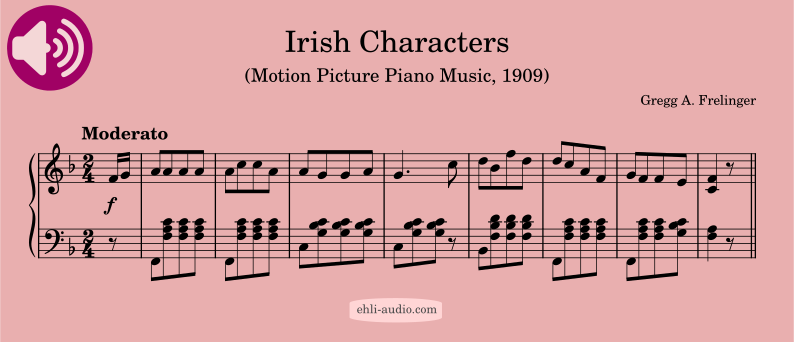
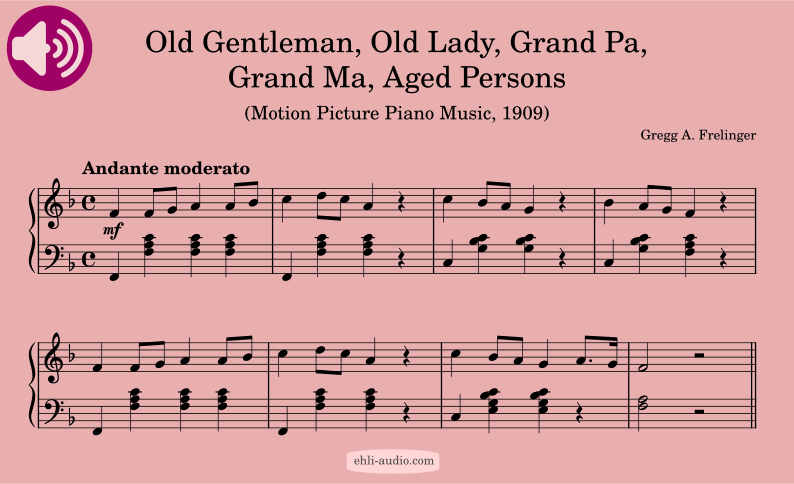
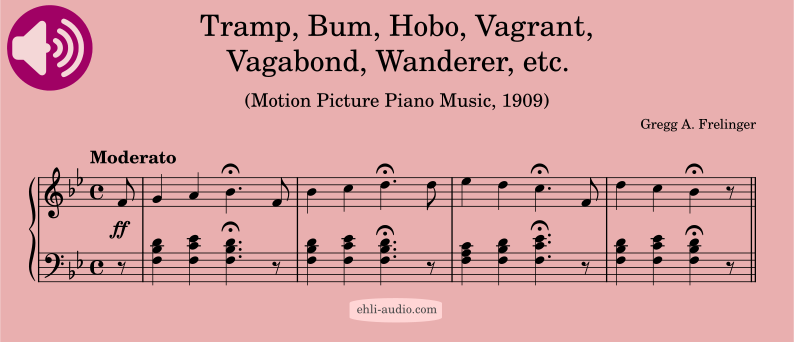
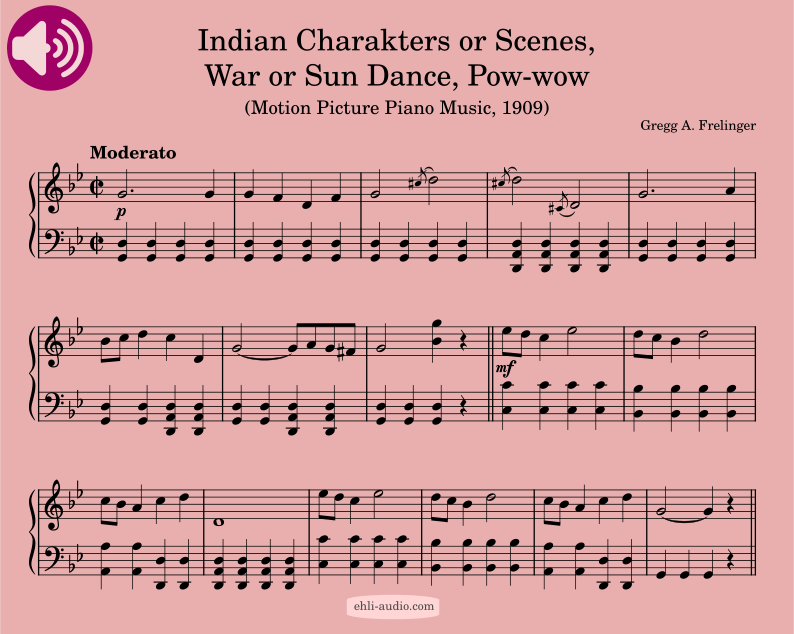
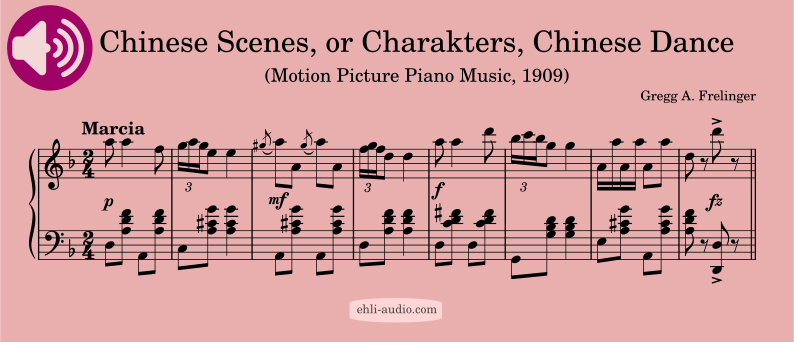
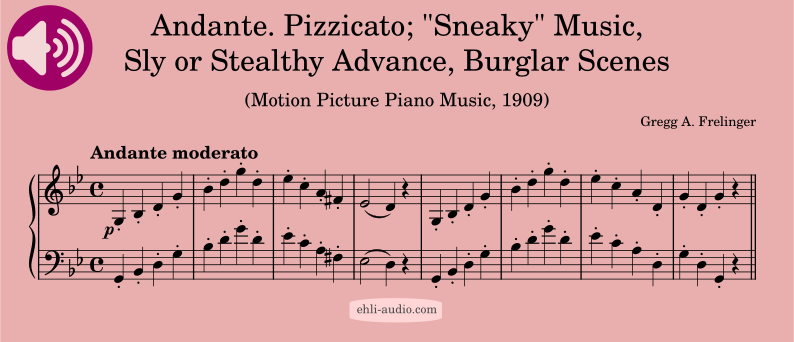
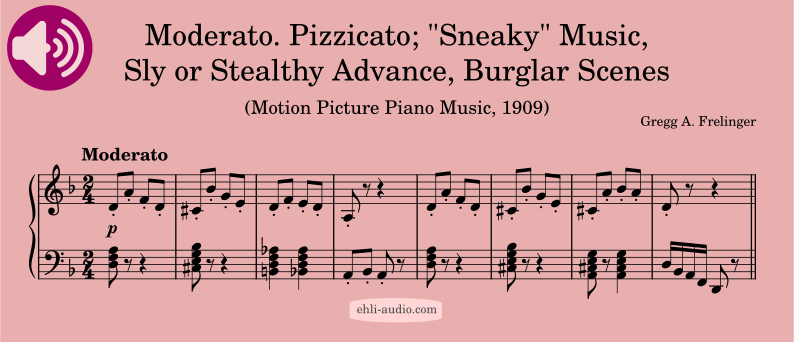
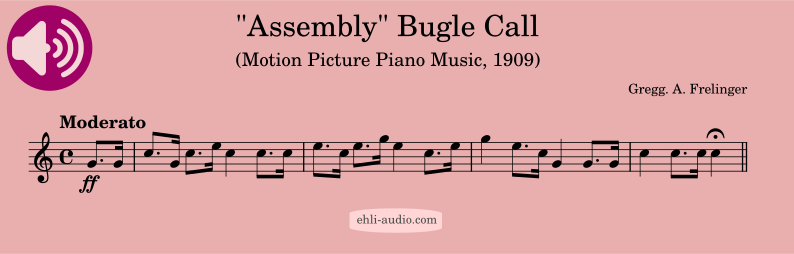
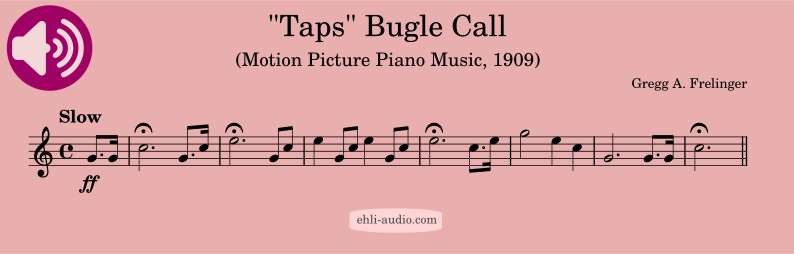
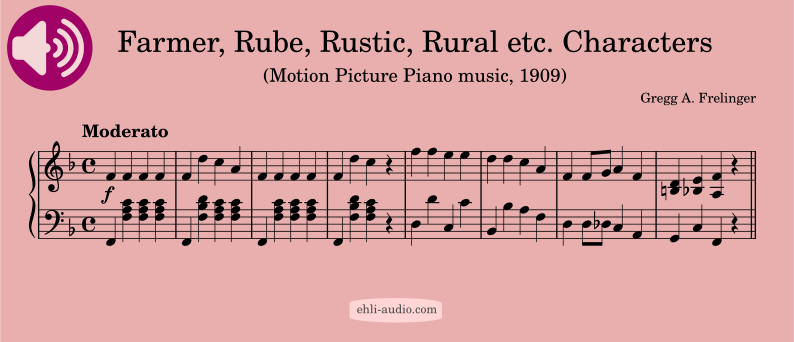
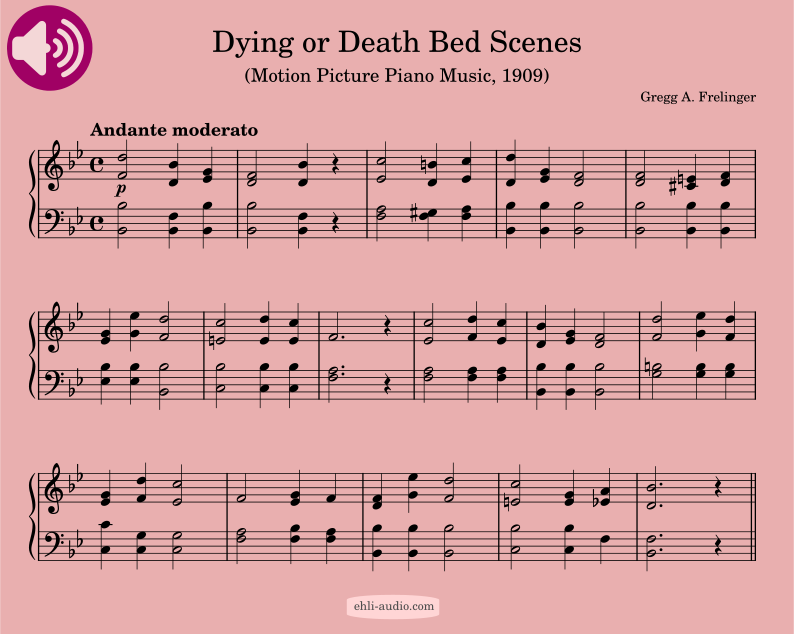
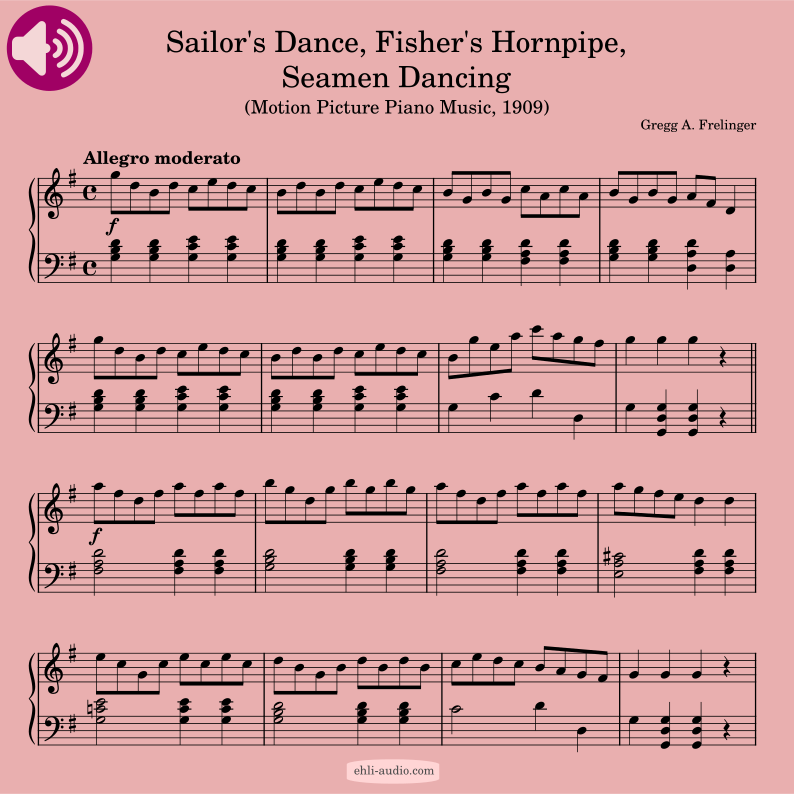
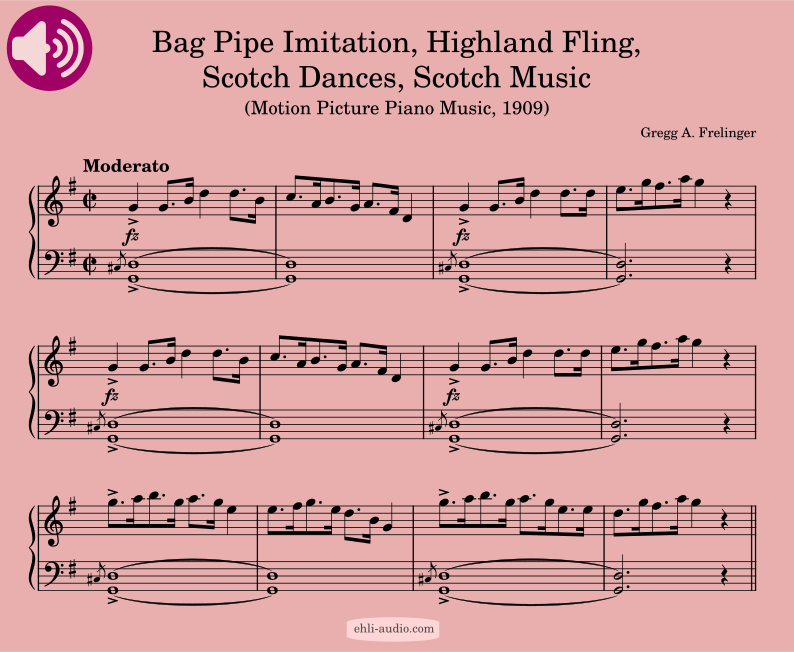
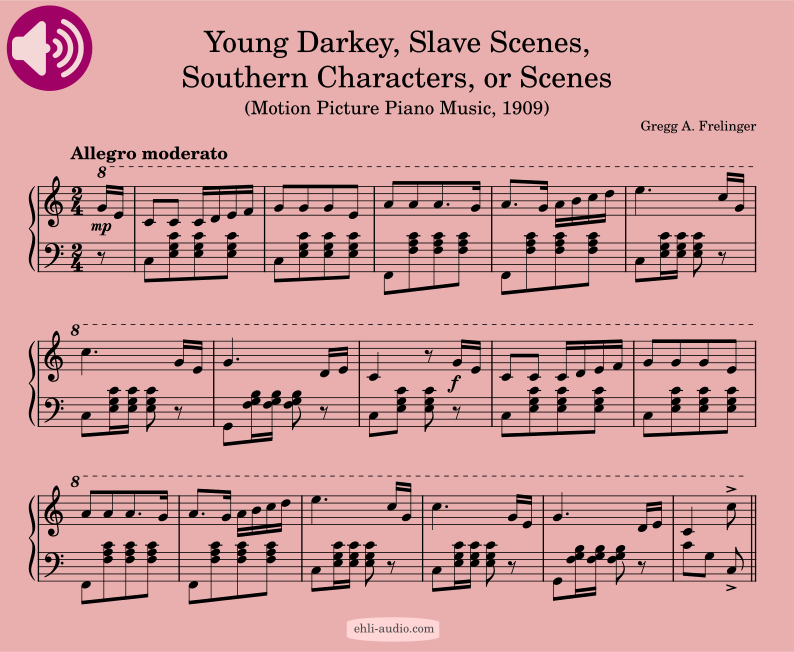
Some examples—and no, we haven't shortened them. Apparently, these often very brief musical pieces were intended to be repeated continuously for the duration of a film scene; however, it is also possible that the pianists were expected to vary, extend, or improvise upon a theme. Frelinger himself did not comment on this—there is no explanation in his score.
1. Irish Charakters
2. Old Gentleman, Old Lady, Grand Pa, Grand Ma, Aged Persons
3. Tramp, Bum, Hobo, Vagrant, Vagabond, Wanderer, etc.
4. Indian Charakters or Scenes, War or Sun Dance, Pow-wow
5. Clown, Buffoon, Harlequin, Comic or Weird Pantomime
6. Chinese Scenes, or Charakters, Chinese Dance
7 A. Andante. Pizzicato; "Sneaky" Music, Sly or Stealthy Advance, Burglar Scenes
7 B. Moderato. Pizzicato; "Sneaky" Music, Sly or Stealthy Advance, Burglar Scenes
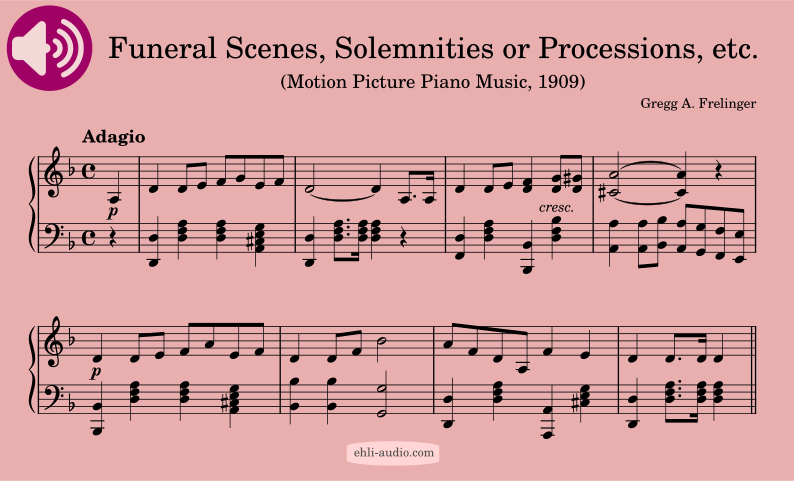
8. Funeral Scenes, Solemnities or Processions, etc.
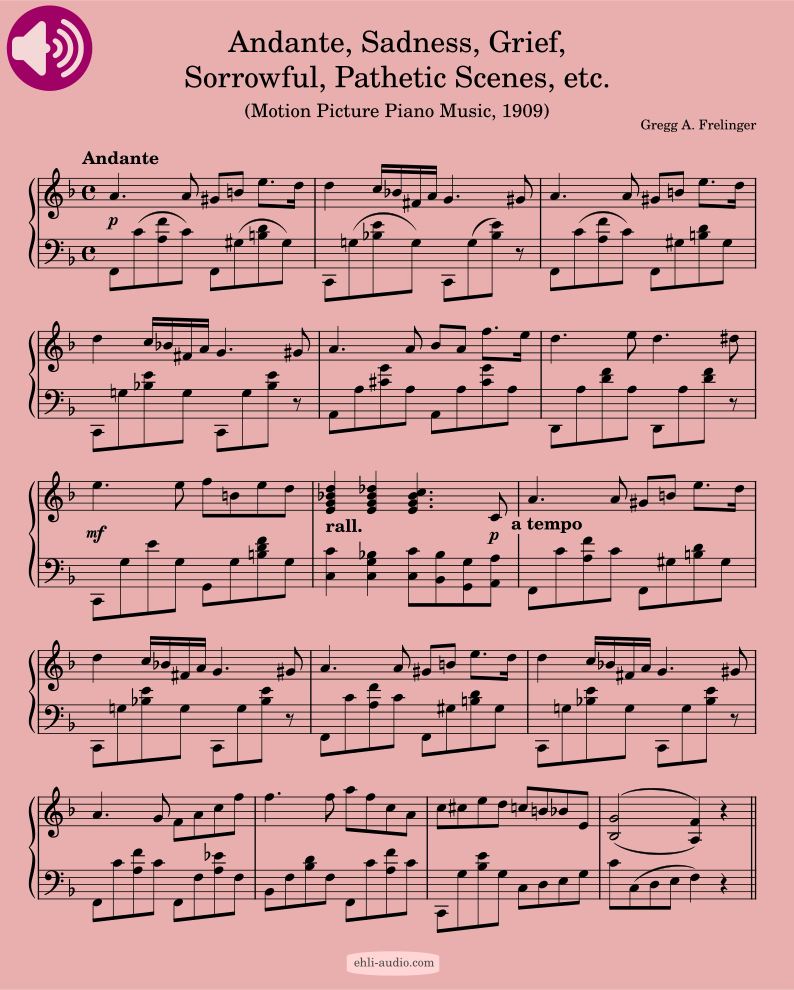
9. Andante, Sadness, Grief, Sorrowful, Pathetic Scenes, etc.
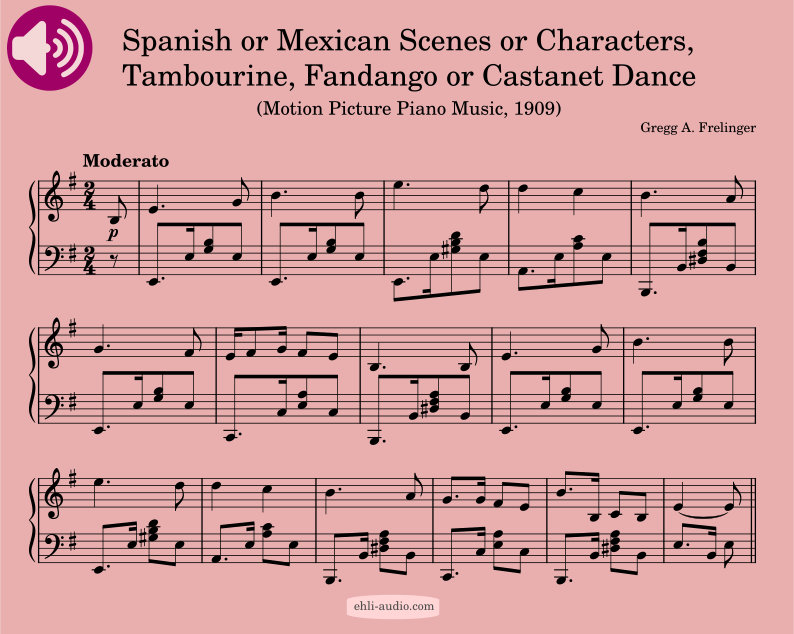
10. Spanish or Mexican Scenes or Characters, Tambourine, Fandango or Castanet Dance
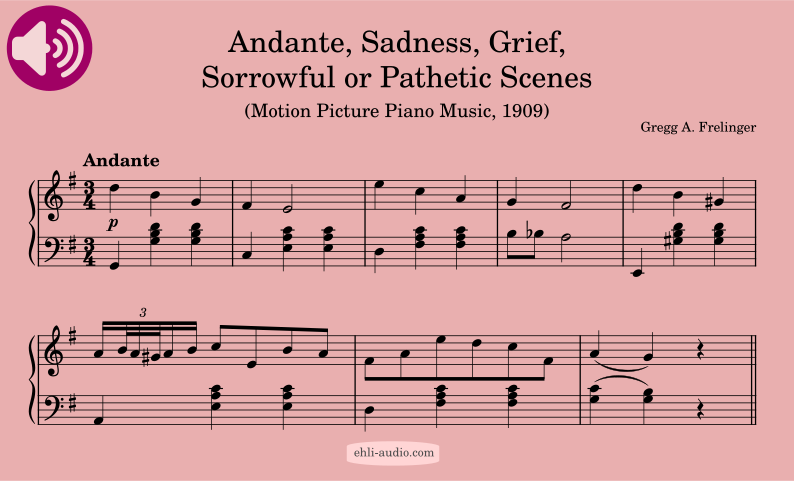
11. Andante, Sadness, Grief, Sorrowful or Pathetic Scenes
12 A. Maestoso. Wedding Scenes, Marriage Ceremony, etc.
Original: Felix Mendelssohn Bartholdy - "Hochzeitsmarsch"
Note: The harmony has been slightly corrected. However, perhaps Frelinger intended to introduce a (humorous) dissonance at the beginning of the wedding march?

12 B. Moderato. Wedding Scenes, Marriage Ceremony, etc.
13. Sleeping, Dreaming, Reverie, Repose, Slumber, Reminiscence, etc.
Original: Robert Schumann - "Träumerei"
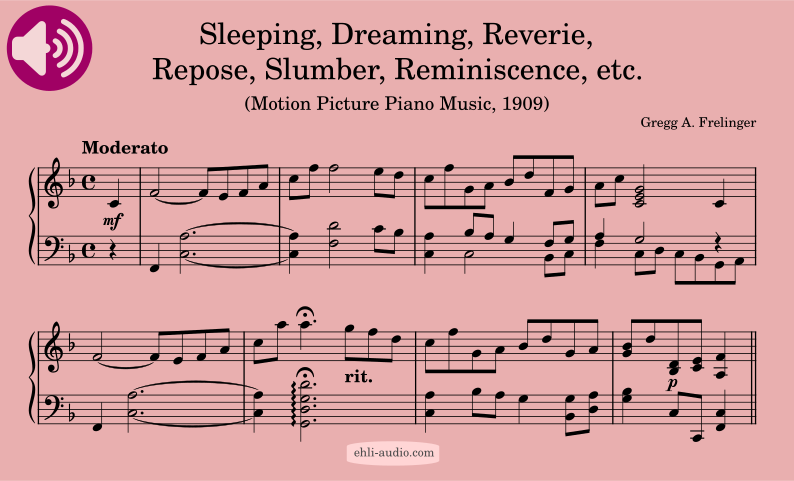
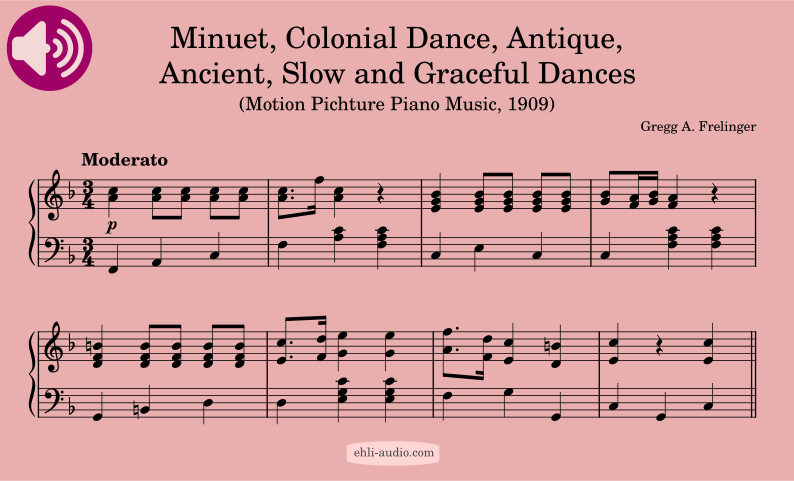
14. Minuet, Colonial Dance, Antique, Ancient, Slow and Graceful Dances
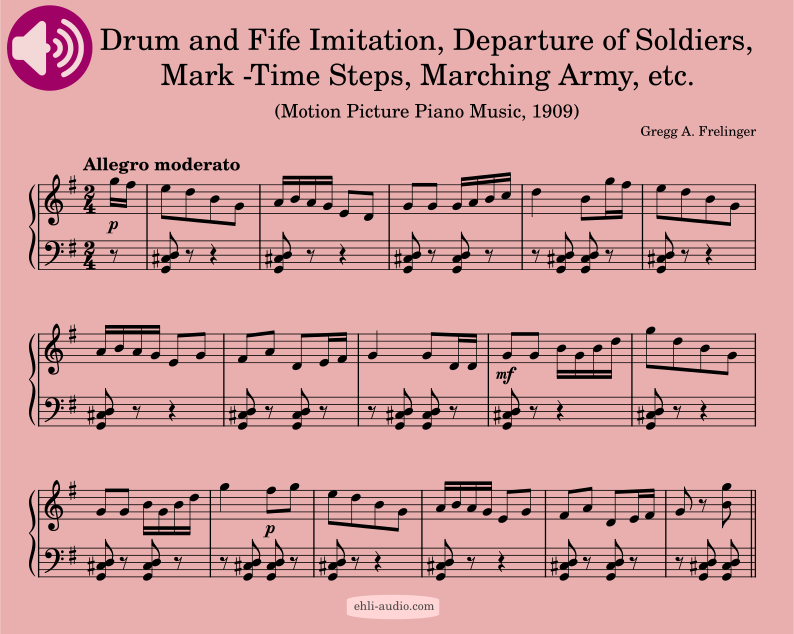
15. Drum and Fife Imitation, Departure of Soldiers, Mark -Time Steps, Marching Army, etc.
Original: "The Girl I Left Behind Me", old Irish ("An Spailpín Fánach") or English ("Brighton Camp March") folk and soldier's song
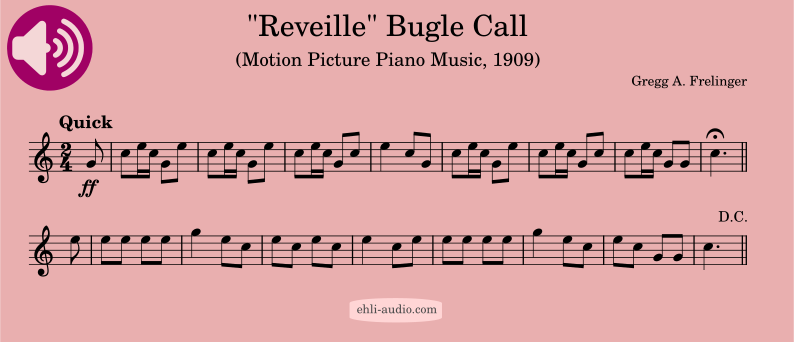
16. "Reveille" Bugle Call
17. "Assembly" Bugle Call
18. "Taps" Bugle Call
19. Dutch Comedian, German Characters
Original: "O du lieber Augustin", a well-known German folk and children's song, c. 1800.
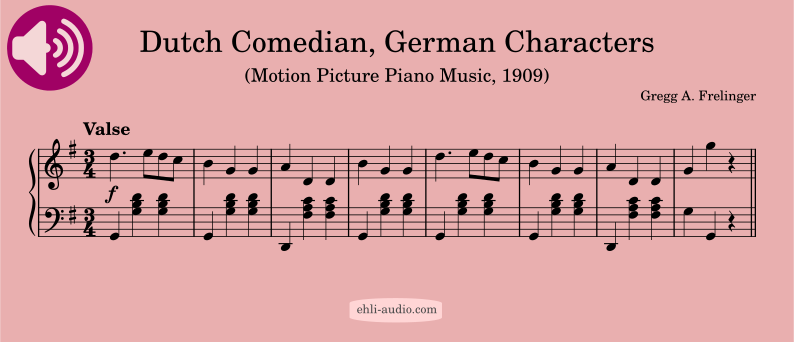
Lyrics (abridged) in English translation: Oh, dear Augustin, everything is gone! Money is gone, the girl is gone, the coat is gone, the cane is gone, Augustin lies in the muck. ...
Incidentally, Frelinger’s middle name, Alfred, and his surname—a possible Americanization of Freilinger (with its typically German diphthong)—point to German ancestry. His wife’s name, Sophia Christina Wandrei, clearly indicates a German origin.
20. Farmer, Rube, Rustic, Rural etc. Characters
21. Old Maid Characters
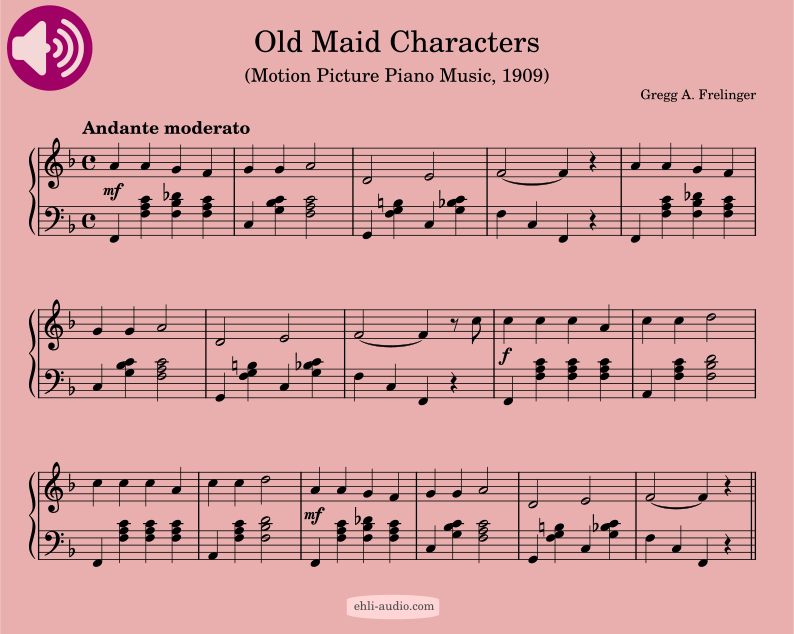
22. At Opening of Scenes, Entrance of Characters, etc.

23. Melodramatic Scenes, Tragic, Hurried, Action, Violence, Struggles
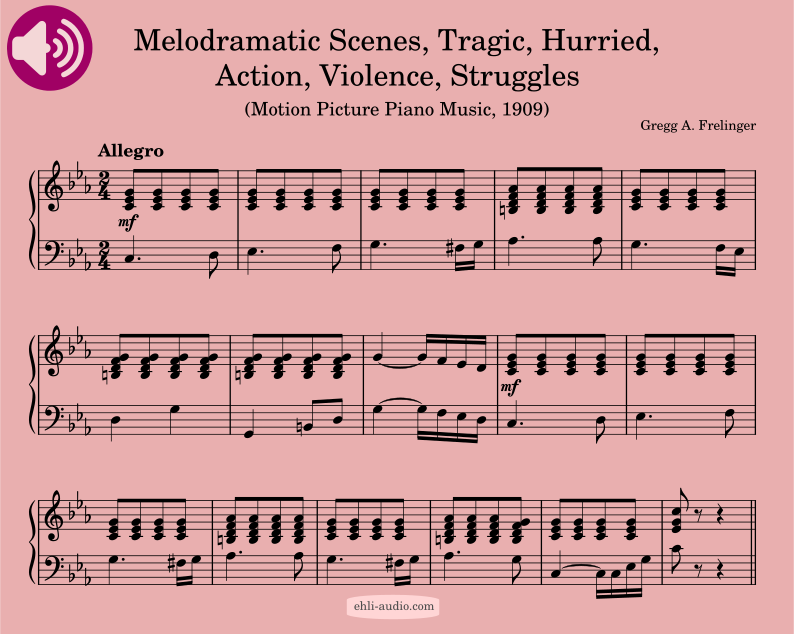
24. Mysterioso Music; Apparitions, Visions, Ghost, Goblin, Phantom and Spectral Scenes
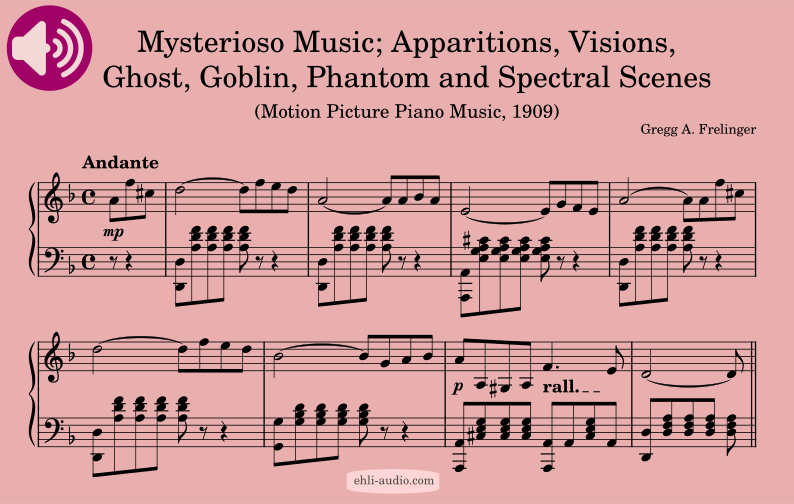
25. Ballet, Ensemble, Schottisch, Graceful, Artistic, Skirt, etc. Dances
26. Nautical Scenes, Sailing Vessels, Ships, etc.
27. Drinking Scenes, Intoxicated Persons, Hilarity etc.
Old Favorite Melodies, the titles of which suggest their appropriate use.
28. Coming Through The Rye
29. Where Did You Get That Hat?
30. Hail, Hail The Gang's All Here
31. Old Oaken Bucket
32. Soldier's Farewell
33. Johnny Get Your Hair Cut
34. Home, Sweet Home
35. Rock-A-Bye Baby (Lullaby)
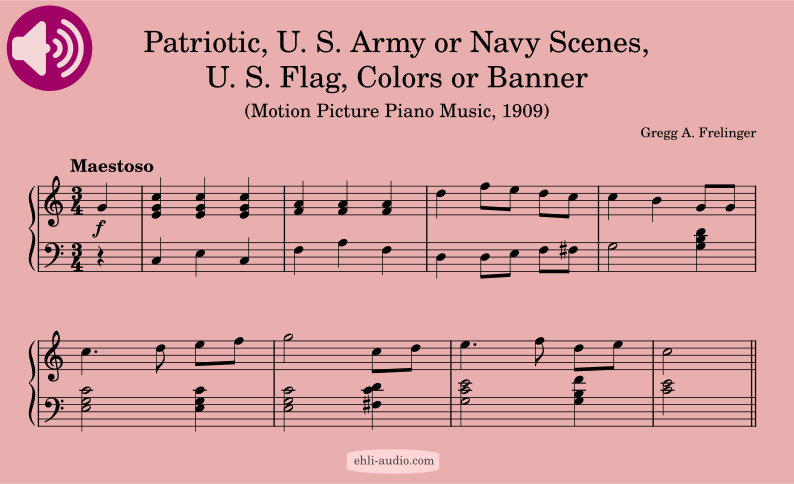
36. Patriotic, U. S. Army or Navy Scenes, U. S. Flag, Colors or Banner
Original: The Star-Spangled Banner
37 A. Allegro. Children, Childhood or School or Play-ground Scenes
37 B. Moderato. Children, Childhood or School or Play-ground Scenes
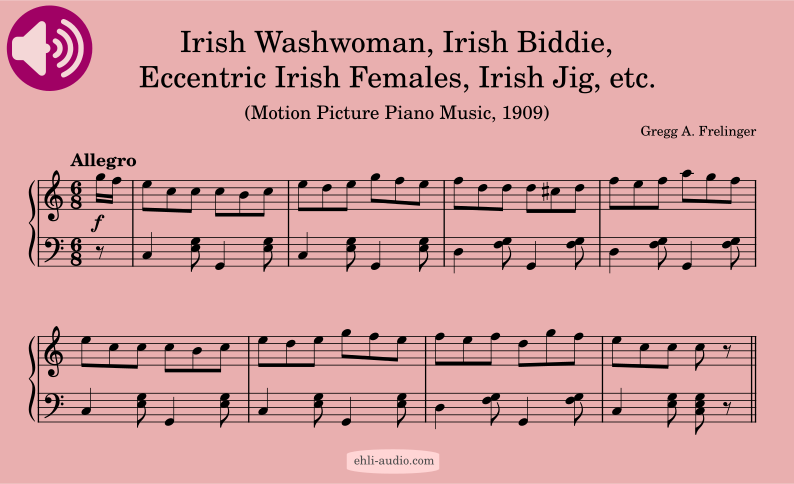
38. Irish Washwoman, Irish Biddie, Eccentric Irish Females, Irish Jig, etc.
Original: traditional Irish double jig "The Irish Washerwoman"
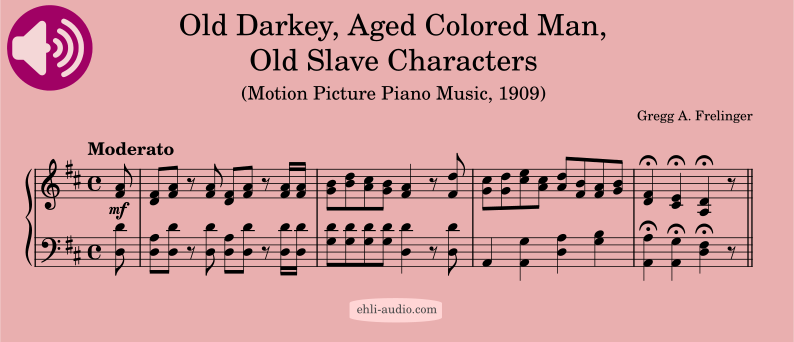
39. Old Darkey, Aged Colored Man, Old Slave Characters
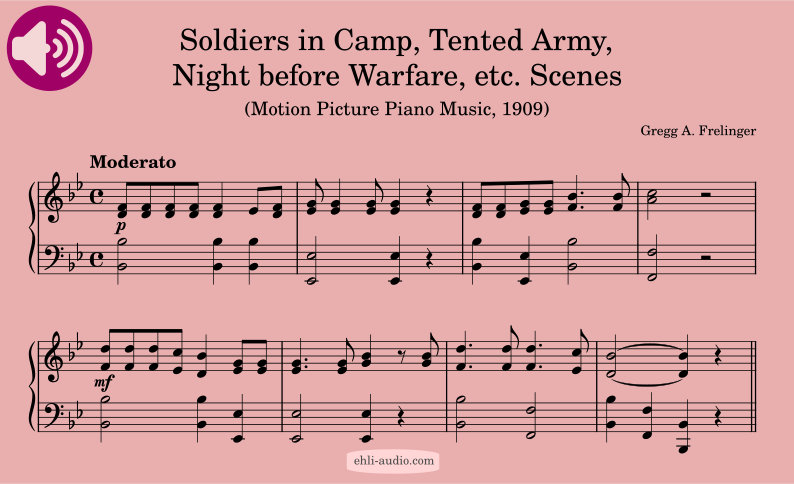
40. Soldiers in Camp, Tented Army, Night before Warfare, etc. Scenes
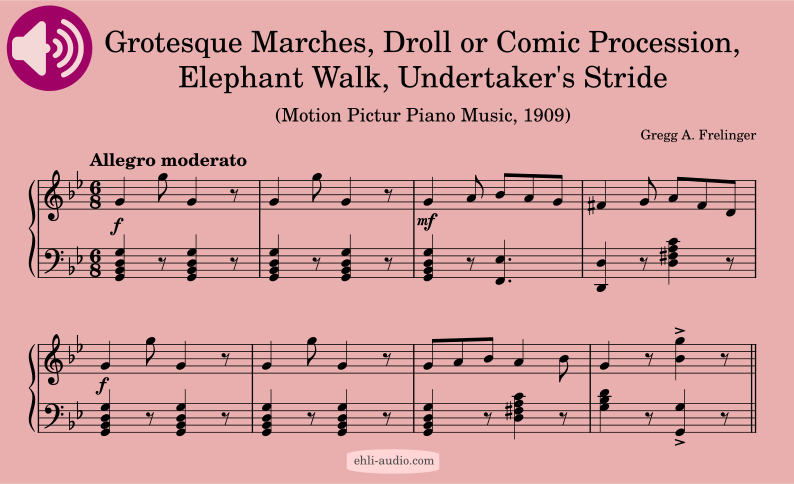
41. Grotesque Marches, Droll or Comic Procession, Elephant Walk, Undertaker's Stride
42. Dying or Death Bed Scenes
43. Religious Scenes
44. Sailor's Dance, Fisher's Hornpipe, Seamen Dancing
45. Bag Pipe Imitation, Highland Fling, Scotch Dances, Scotch Music
46. Young Darkey, Slave Scenes, Southern Characters, or Scenes
Original: Daniel Decatur Emmett (1815-1904) - "Dixie" / "I Wish I Was in Dixie’s Land"
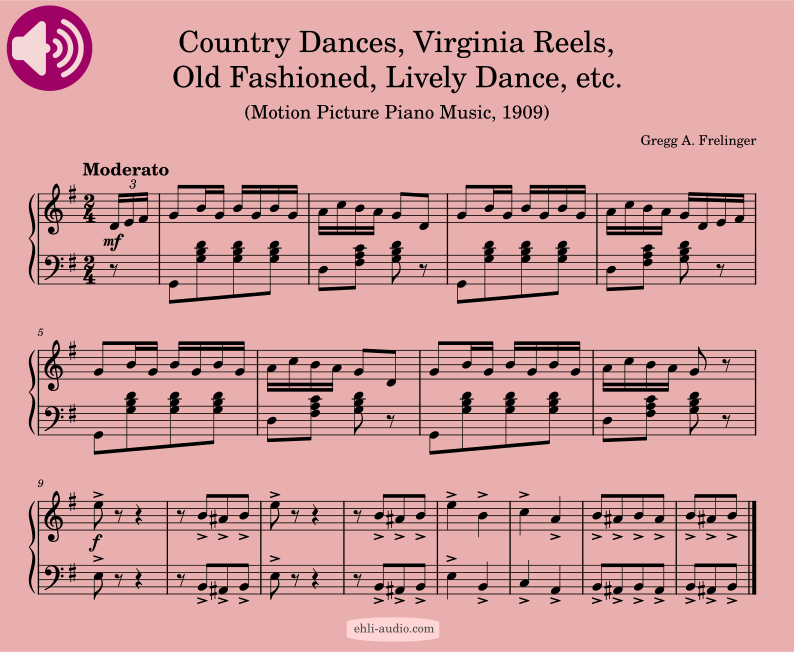
47. Country Dances, Virginia Reels, Old Fashioned, Lively Dance, etc.
Footnotes:
[1] Thanks to extensive research by journalist Bob Kriebel in local city directories, we learn more about Frelinger: "A directory issued for 1909-1910 shows that Gregg A. Frelinger and his wife, Sophia, lived at 1009 Ferry St. He was then a 'music teacher' evidently working from his home. It is possible that he taught in public or private schools, but the directory does not say. The directory for 1915-16 still lists Greg and Sophia at 1009 Ferry St. but shows them by that time to be operators of a 'piano store' at 662 Main St.
The directory for 1921 contains a mass of information in an advertisement on the back cover. The substance of the message shows that a Frelinger Music House stood in its 'new location' on the south side of the square (315 Columbia St.) There it was 'a music store and more.' [...] The 1921 directory, by the way, shows that the Frelingers had moved from Ferry Street to a home at 800 N. Seventh St.
Fast forward to the 1926-27 city directory, and you find all things still in place as in 1921, plus the listing of a student named Gregg A. Frelinger Jr.
The 1931 city directory showed that the Frelinger business had been moved to 654-656 Main St. [...]
By 1939, Sophia, a widow, ran the Frelinger Music Store at 21 N. Fourth St. The Frelinger name is missing from the 1945 city directory. [...]" [Kriebel, in: Journal and Courier (Lafayette) 1998]
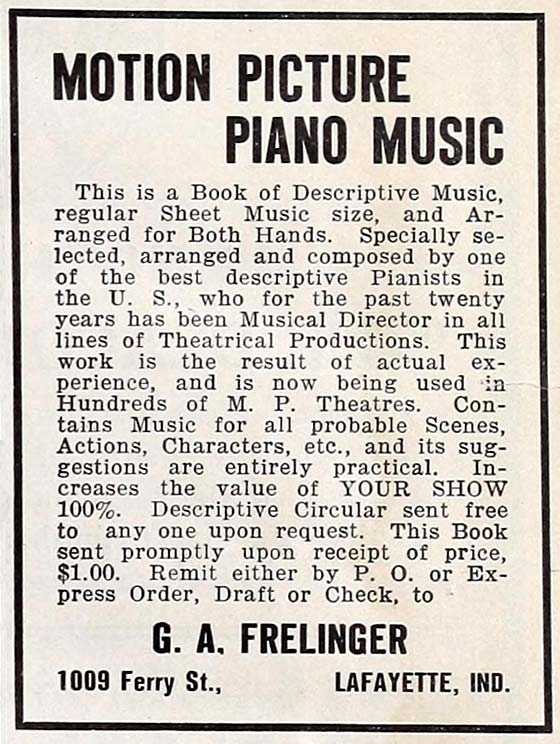
[2] See Advertisement in The Film Index, Jan. 1910:
"MOTION PICTURE PIANO MUSIC
This is a Book of Descriptive Music, regular Sheet Music size, and Arranged for Both Hands. Specially selected, arranged and composed by one of the best descriptive Pianists in the U. S., who for the past twenty years has been Musical Director in all lines of Theatrical Productions. This work is the result of actual experience, and is now being used in Hundreds of M. P. Theatres. Contains Music for all probable Scenes, Actions, Characters, etc., and its suggestions are entirely practical. Increases the value of YOUR SHOW 100%. Descriptive Circular sent free to any one upon request. This Book sent promptly upon receipt of price, $1.00. Remit either by P. O. or Express Order, Draft or Check, to
G. A. FRELINGER
1009 Ferry St., LAFAYETTE, IND."
[3] In February 1910—shortly after the publication of his collection of cinema music (and likely with the aim of drawing attention to it)—Frelinger wrote a noteworthy letter to the editor of The Moving Picture World, the leading US trade journal at the time. In it, he urged cinema owners to instruct their pianists to provide musical accompaniment that was precisely tailored to the films. He argued that a fitting soundtrack would demonstrably increase box-office receipts. [Melvyn Stokes: "La musique et l’« Art » dans les premiers films américains", 2007]
[4] On October 25, 1909, Frelinger submitted two copies of his work to the U.S. Copyright Office. The copyright entry appears in the Catalog of Copyright Entries of the following year: "MOTION PICTURE PIANO MUSIC; descriptive music... selected, arr. and composed by Gregg A. Frelinger. © Oct. 26, 1909; 2 c. Oct. 25, 1909; E 217605; G. A. Frelinger, La Fayette, Ind." [Copyright Records 1910, Musical Compositions]
[5] In January 1910, The Film Index speaks of over 100 pieces of music. The 24-page scan, accessible via the Library of Congress, contains 50 musical pieces (note the subdivision into 7 A + 7 B, 12 A + 12 B, 37 A + 37 B in the above numbering).